Mildred Packwood / Nancy Sinclair


via newspapers.com

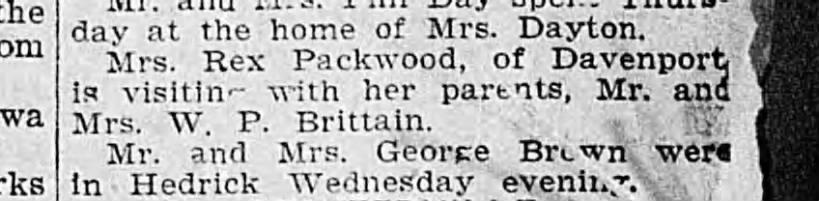





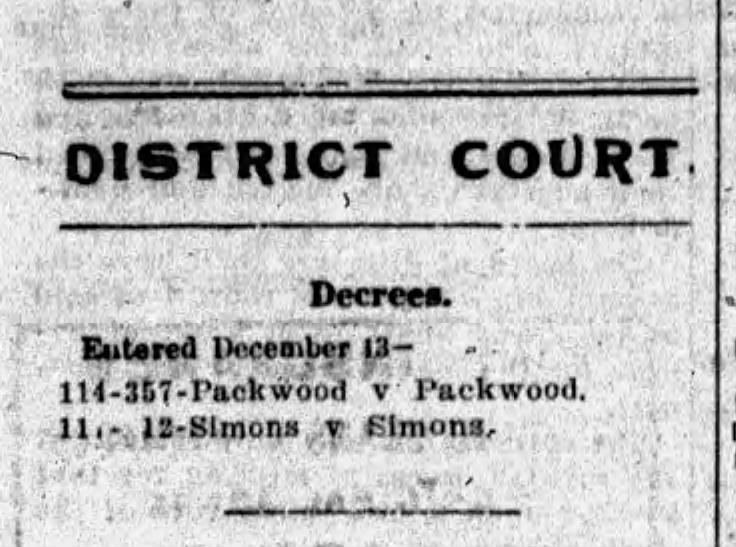
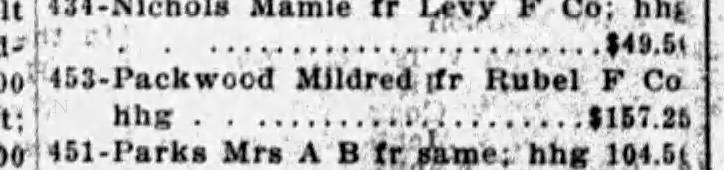

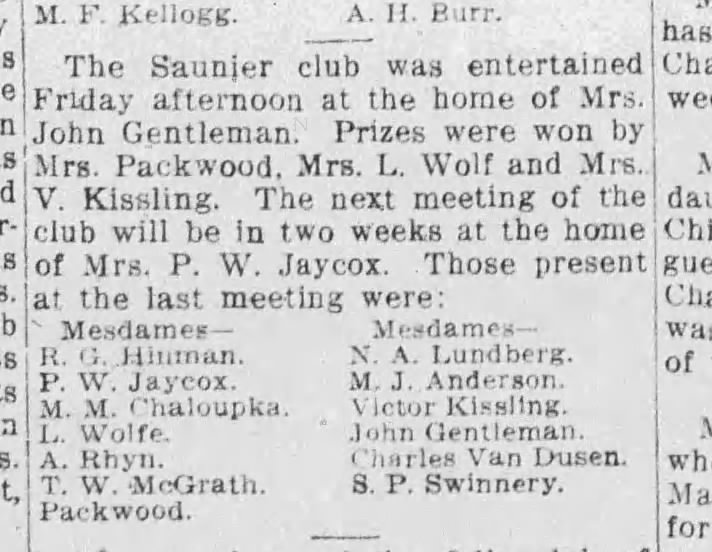
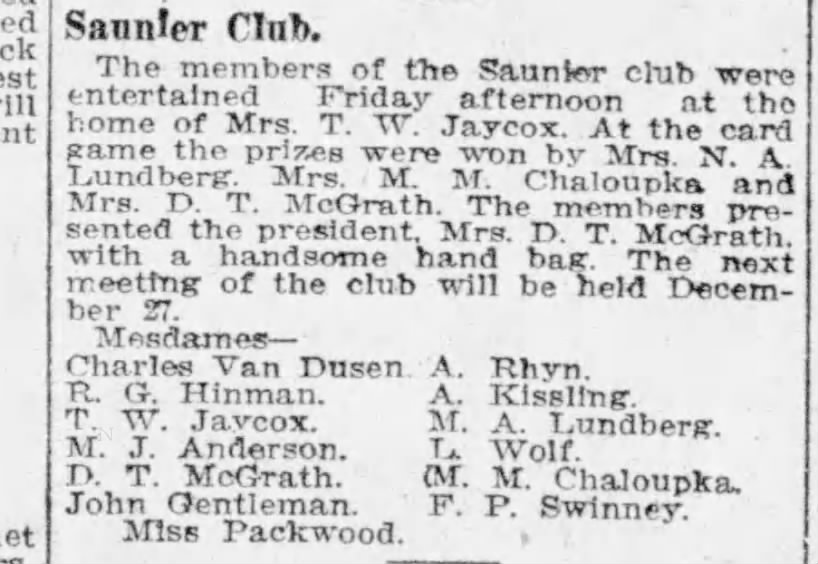

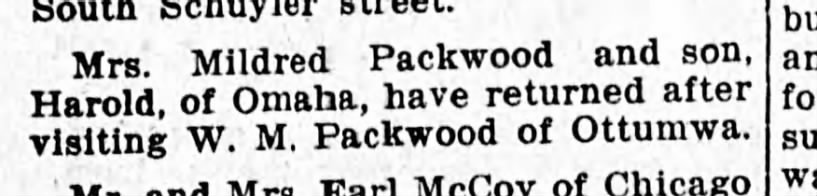




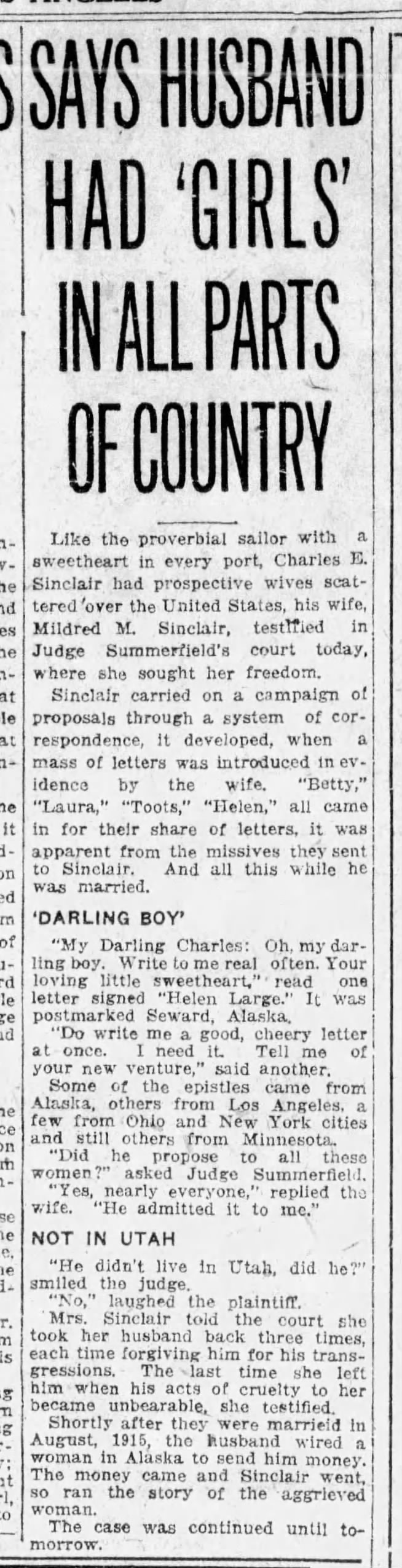
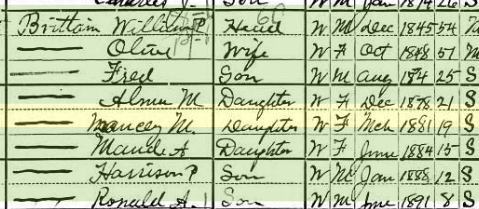
Mildred Packwood, card playing libertine, now back in California and living under a new name having been on Mr. Sinclair’s wild ride to New York and back to California.
Dorothy
Time is sand.
Dorothy Vernon Packwood was born in 1906 in Nebraska. She was raised comfortably, attends college and becomes a teacher in Los Angeles California. She was loved and supported her whole life and passed restfully in 1994 at the age of 87.
Unfortunately she is not our Dorothy.
Her father was Flemion Packwood, Dodge automobile salesman extrodinaire. Flemion is the distant uncle of Rex, and the name “Dorothy” had boiled in popularity due to the 1900 publication of the wildly popular Wizard of Oz. Dorothy Vernon haunts our efforts to discover her less comfortable cousin, the second child and first daughter of Rex William Packwood, also Dorothy.
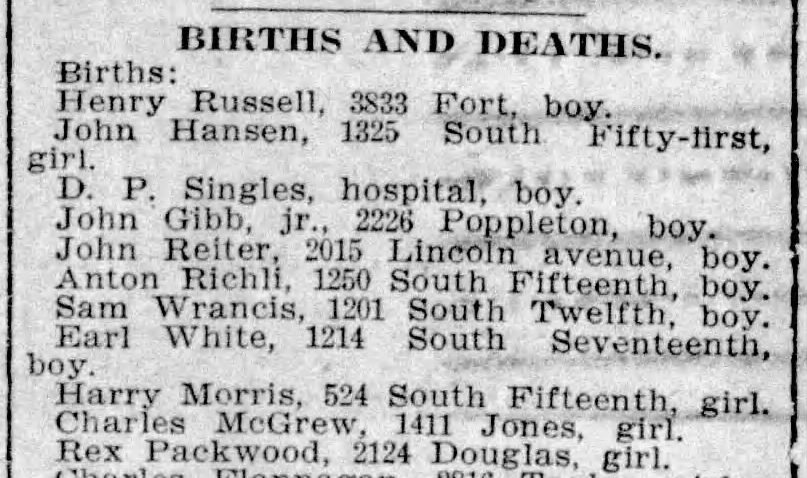
Dorothy Frances Packwood, our Dorothy, was born in July of 1908 in the pounding center of criminal cesspool Omaha, Nebraska. Her father Rex, a barber primarily working the gangster clique, her mother Mildred Packwood (née Brittain) a card playing socialite wild cat. Their marriage a veiled competition between scoundrels.
The center could not hold. Mittie divorced Rex (in his absence) in 1911.
The records are confounded. In 1910 Mittie appears consistently in the social coverage of the Omaha papers, while she also appears with Rex in the 1910 census of Cleveland Ohio. Fit the clews together and the best solution is the census is a lie or lucky catch; Rex is there alone on the first steps of his new life without Mittie, or Mittie et al made a heartbeats visit. Rex remains in Cleveland another decade, without Mittie, Harold, or Dorothy. It is much more likely that Rex simply reported what was partially true. I am not sure if the rest of the family ever saw Cleveland.

Tragedy strikes Dorothy. Some time between 1910 and 1915 she was abandoned in Des Moines, Iowa. The city is situated on the rail line suspiciously between Omaha and Cleveland. One can imagine any number of unscrupulous routes by which her abandonment occurred. She knew her age, where she was born, and that her parents were from the United States. She was six years old.

Des Moines in 1915 was in dire condition, a hive of late victorian orphanages overflowing and unable to deliver anything save torment. Not a good place to be abandoned.

Meanwhile in 1915 her mother Mildred “and son” have made their way home briefly to Iowa and then to California where Mittie married her second husband, Charles Sinclair on August 9, 1915. He was some sort of salesman for a Bond house.

In 1920 Mildred can be found in Elmira New York, still married to Sinclair, and still with her son Harold Rex.
Dorothy is 12 years old and not to be found in 1920. She is not with Mildred and Sinclair, she is not with Rex. Whereever she is, the census of the time failed to capture her.

A year later in 1921 and back in California, Mildred divorces Charles under charges he has multiple wives. She keeps his name.

We rediscover Dorothy in 1925, in California, trying to get married to some goofball named Theodore Holcomb in 1925. She is 16, and he is 25.
There is little evidence that their marriage was succesful. Holcomb appears in future census records living with his mother and occasionally marked Married despite being unaccompianied. There is no future mention of the marriage on the Packwood side.
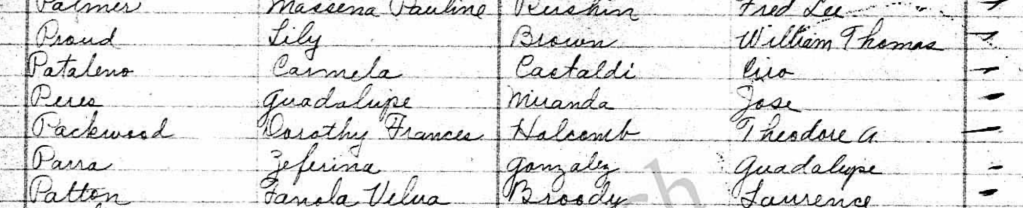
It is not clear how Dorothy got to California from Des Moines. In the great hall of records she slips from Iowan Orphan to Californian within a decade with zero pomp. Was she found and rescued by her mother? Did she find her way to California independently?
In 1930 we catch them all together. Mildred has opted to rebrand as Nancy Sinclair.
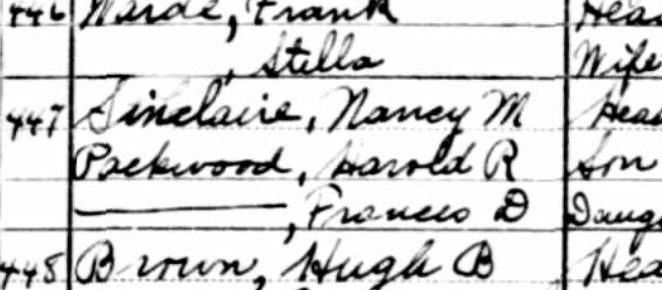
Frances worked in motion-pictures as a dancer. Probably an extra. In about three years the Screen Actors Guild formed to protect Hollywood labor – the side effect being that walk-on locals could no longer find easy work as “extras”.

If Mildred had abandoned Dorothy, it is not likely they would find solace enough to cohabitate. Rex died wheezing alone of Tuberculosis in 1924, rendering a final communion between them impossible.
For a moment, we lose our grip on Dorothy.
Meanwhile

Wilfred Lawson Butt Jr. was the son of famed British silent film actor W. Lawson Butt. A prototype of the trust fund child, Lawson (jr.) was raised in the landed shadow of his parents. A pleasure boat of a man.
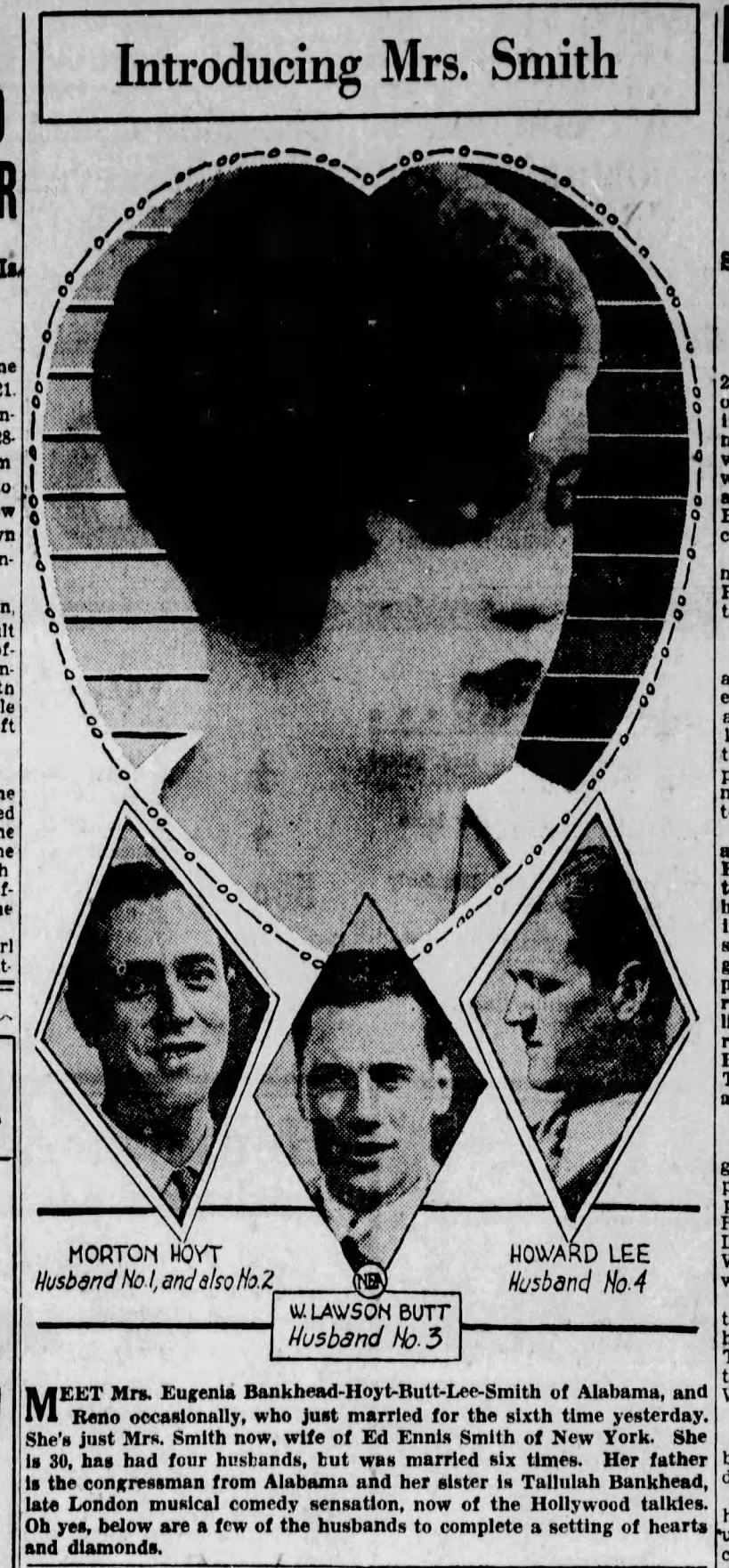
He married his sweetheart in 1927 but tired of her and removed to Reno to relieve himself of her presence under the excuse of college. In late 1929 while in Reno the unthinkable happened and he met, fell in love with, and tried to marry Eugenia Bankhead, sister of famed movie star Tallaluh Bankhead, both daughters of renown Representative Bankhead of Alabama. They honeymoon in Hawaii, still a territory.
This does not go well.
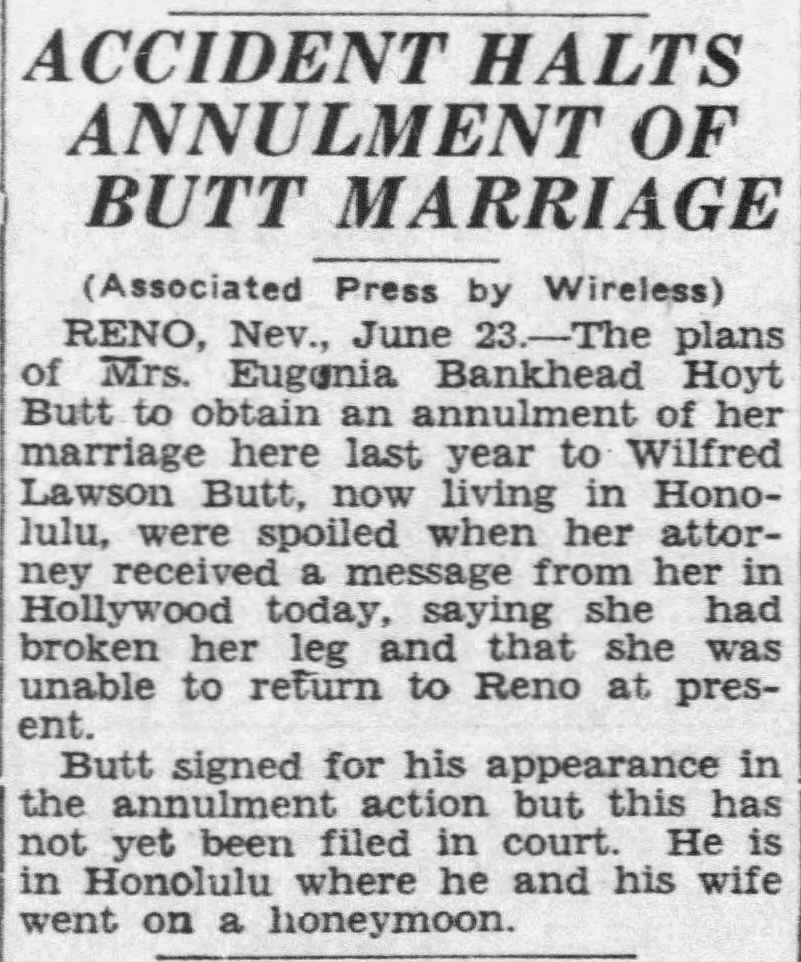
W. Lawson Butt jr. must have been used to seeing his name in the papers due to the illustrious and positive career of his father whom shared the same name. Now the coverage was much different. Lawson found himself plucked from comfortable anonymity and dragged into the crudest of gossip collumns across the English speaking world.

Suddenly famous for being a floozy’s floozy, he decides to just not go back to the mainland. He makes for Asia, starting in Manila.

Back in the USA the divorces story continues to spasm ledes.
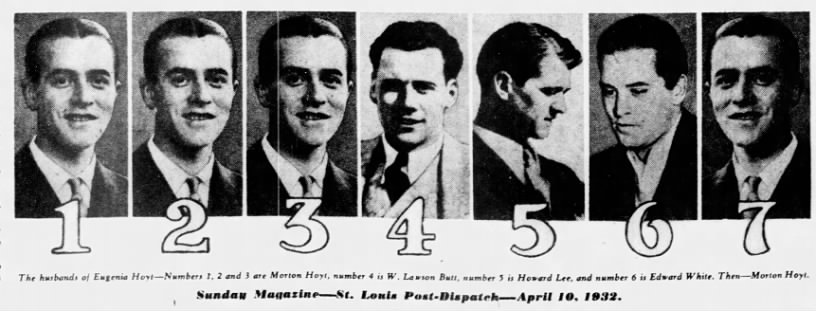
In a later publication (below), Lawson relates how he travelled to the Phillipines, Saigon, and finally Hong Kong.
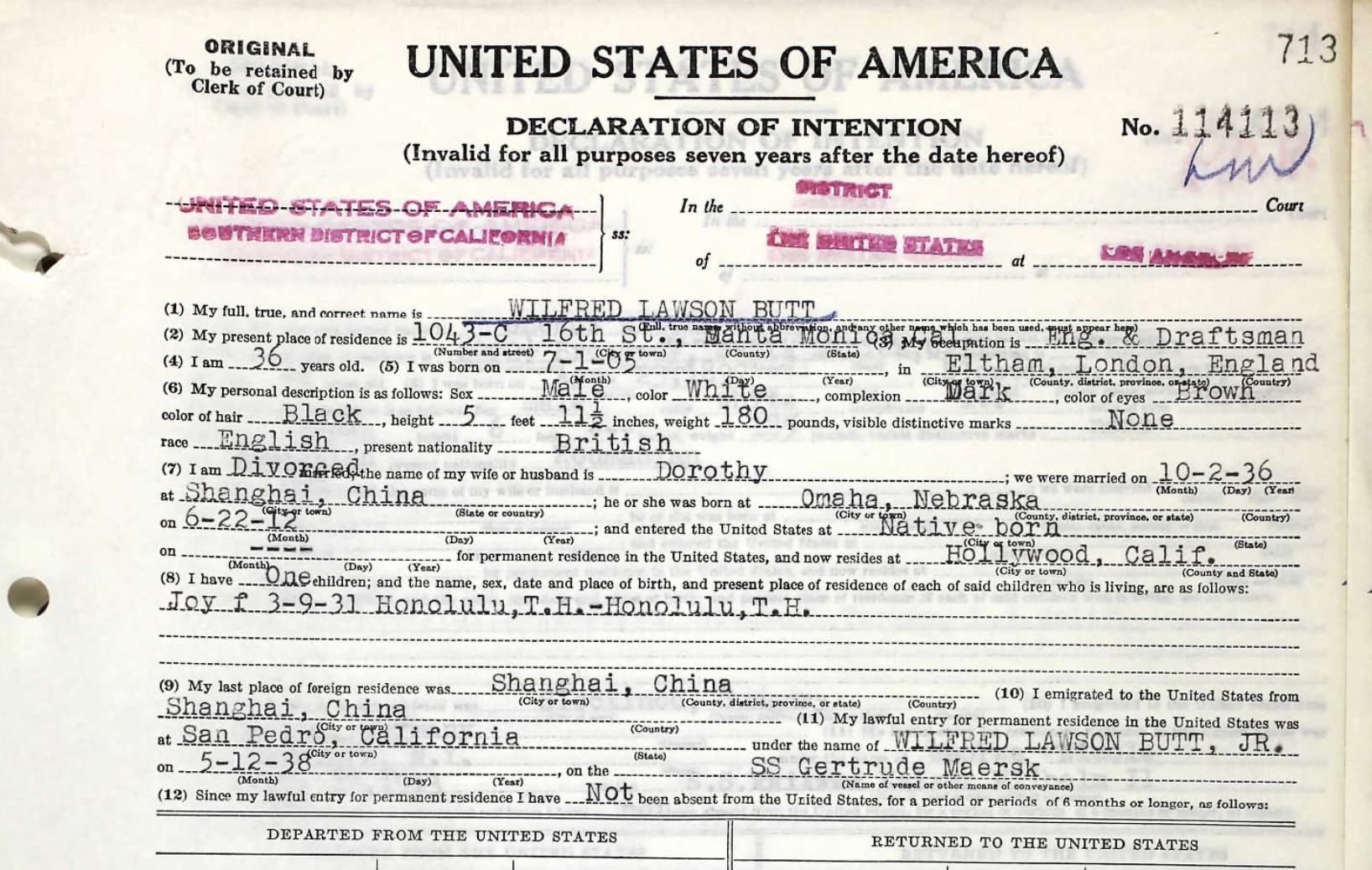
In October of 1936 he married Dorothy Packwood in Shanghai, China. He lists his residence as Hong Kong, Dorothy lists hers as Shanghai.

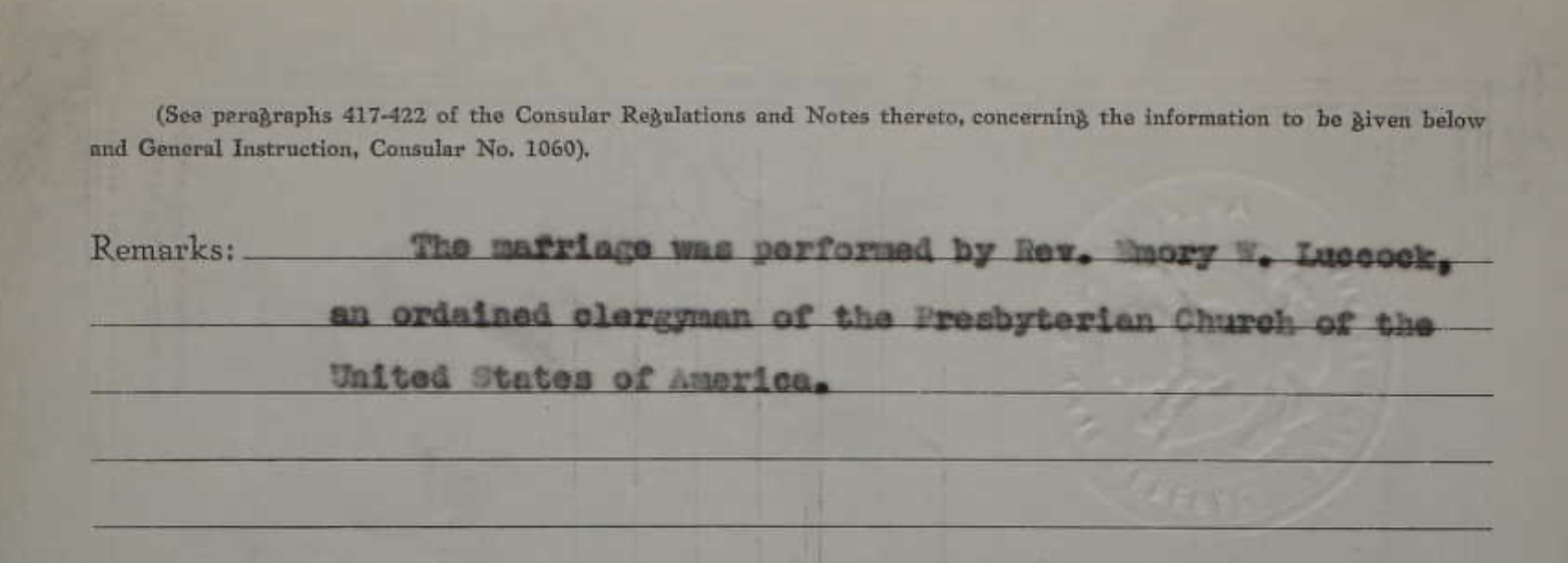
There is no accessible record that explains how Dorothy got to Shanghai. Six years prior she was working in Hollywood as a dancer, and without leaving a trace she relocates to China. It’s possible she travelled under a different name, she took a private voyage of some kind, or she was for lack of a better term, Shanghaied.
Lawson and Dorothy both are forced to flee the encroaching Japanese army as they invade and take over Chinese ports. Some historians consider the 1937 attack on Shanghai as the true opening of the Second World War.
Whatever life Dorothy had in Shanghai before the invasion was born off the books – a war only obfuscates the obfuscated.
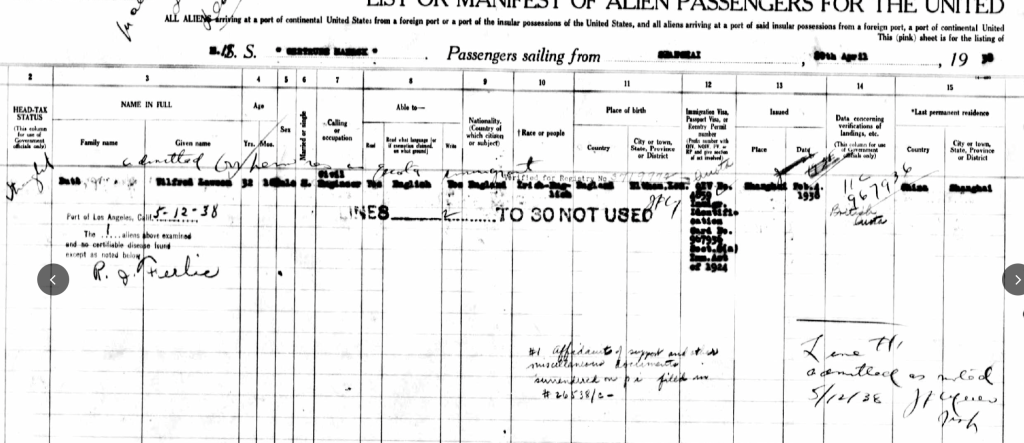
Lawson lands in California on April 30 1938, ~ two weeks later and Dorothy arrives on the next voyage of the same ship. She travels back to the USA accompianied by Lawson Butt’s mother.

The address that Dorothy gives above is the address of Nancy M Sinclair in this same year, thus proving this Dorothy is our Dorothy.

Four years later when W. Lawson Butt Jr. becomes naturalized as an American citizen, he is divorced from Dorothy. Whatever adventure brought them together, it seems, now ended.
We catch up to Dorothy some years later, married to nondescript John Siebert. He is a strange character with a quiet footprint – a veteran but also in prison in the Minneapolis Workhouse in 1930. However curious his story, it remains obscured

Lawson settles in Hawaii, choosing to go by Bill Butt. He becomes a prolific architect, here below he relays some garbled version of his circuitous route; Dorothy is not mentioned.

“You can ask him about it yourself” is a damnable phrase. No I can’t, he’s dead.
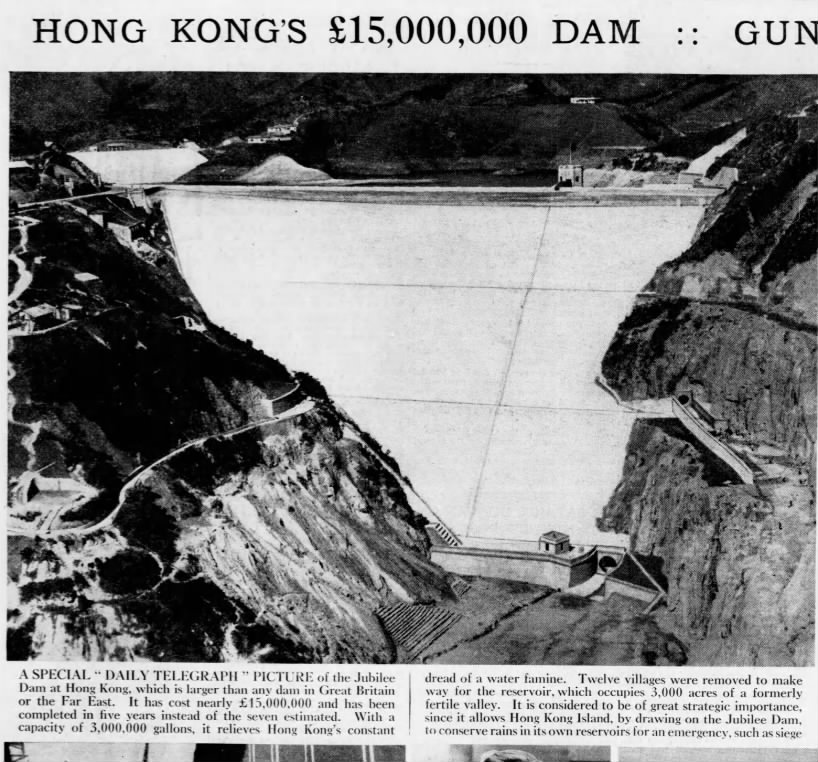
Incidentally, here is the very large dam project he was certainly working on, during which time he would have met and married Dorothy:
Dorothy died in 1965 and far too young.

Carrie Bell
Meanwhile in Iowa, Rex’s father remarries.
It’s 1906. His new bride Carrie Bell Miller Richards is 24 years old, previously married and divorced when she takes the Packwood name from William who we find 38 years her senior. He is much beloved near the community of Foster near which he has planted his deer farm. The Park Hotel checks as an off the main flop in Albia; some acceptable level of seedy.
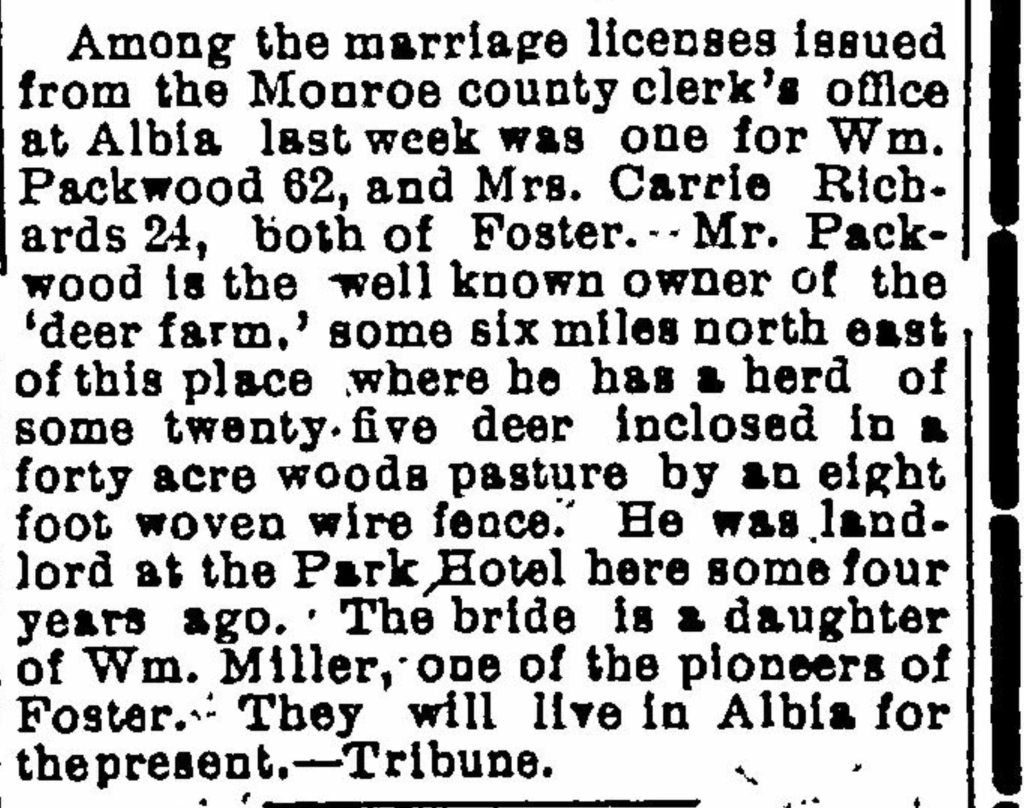
Their holy union doesn’t last the season. There was no avenue for a “no fault” divorce at this time. To achieve a legal disentangling the parties had to go to court and provide evidence of adultery, abandonment, or extreme cruelty. About ten weeks after they marry they seek dissolution via the third option. We might surmise that it was their only avenue to divorce without specific crimes, or perhaps William was indeed extremely cruel. Given the hardscrabble biome that built him, the latter is likely to be true in either case.
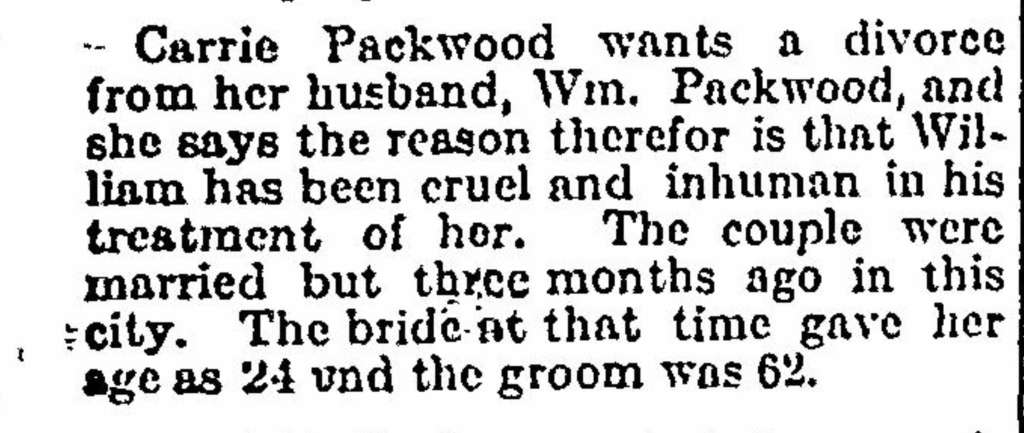
The whole event is tragic and comedic and even now obvious that it was read as such a century ago. The difference in age is noteworthy then and now; not just age but era. Epoch. William had moved to Iowa as a child a half century prior, seen death, war, “Indian” raids, and stole a living out of dead forest and stagnant swamp. Carrie Bell was born alongside the expansion of the train. Her life had been supplied. Stocked. Leaning on the everlasting arm of iron and steam; Capital. Just like Rex, she would have been drawn to the new, clean, painted, imported and refined values and valuables the trains delivered daily.
The pieces couldn’t be more misaligned. Discount true love and we are left with a variety of grifts or relations of convenience. The center can’t hold the weight and it falls apart in record speed.
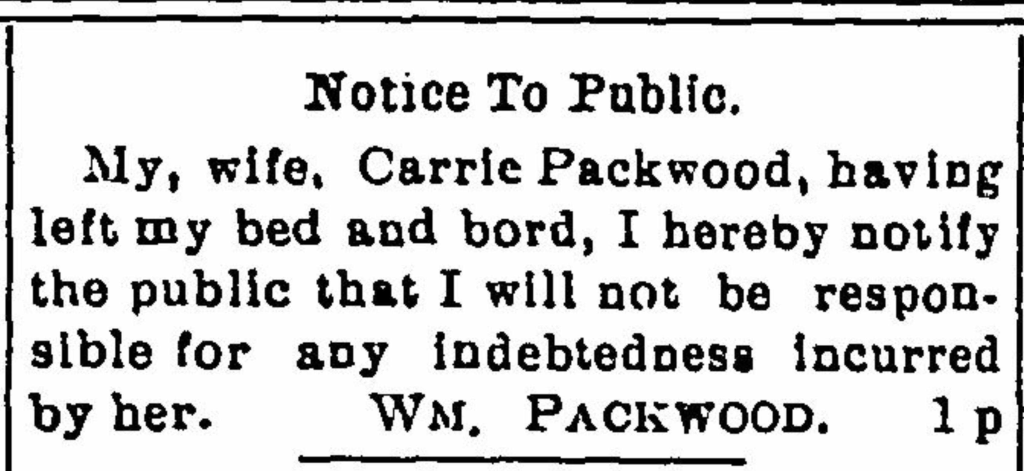
William sees fit to print in the local paper the above screed; short on words and long on anger. We are left to ponder what debts Carrie accrued. “Having left my bed” is a tremendous tell. The clews at hand suggest the elder Packwood brought into their union his preconceptions; his previous wife had birthed eight children over their 30 year marriage and she had been 14 when they got going. That was 1869.
No train. No oversight. Just god and the plains.
Put that all aside; we have to talk about Foster.
Foster Iowa was a bustling “boom town” centered around a small series of coal mines plundered into the earth mostly by the disreputable Phillips Fuel Co. The company had purchased hundreds of acres for the mineral rights and then sold the surface off as a quasi company town, complete with scrip and company store. Around 1896 the population was ~800.

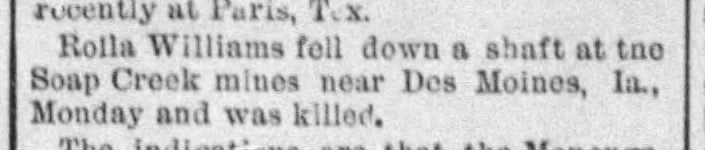
The plat map is a lie. Most of these small lots would have been vacant or perhaps unsold. What existed was a massive coal works, multiple churches, a scattering of housing, restaurants, and two, maybe three company stores. To the left and right notice the Phillips Fuel Co. lands. These were old style “drift” mines; 200 foot shafts plunged into the soil against better judgement and then they sent men down there to load the dismembered debris of somewhat horizontal sheets of flammable earth into equally arcane machinery. A fable of men who steal into hell and abscond with rock that burns, who are then mystically plucked out by their clever satanic machines. A man died there, knocked from the “bucket” down some 200 feet and back into the hell he was escaping.
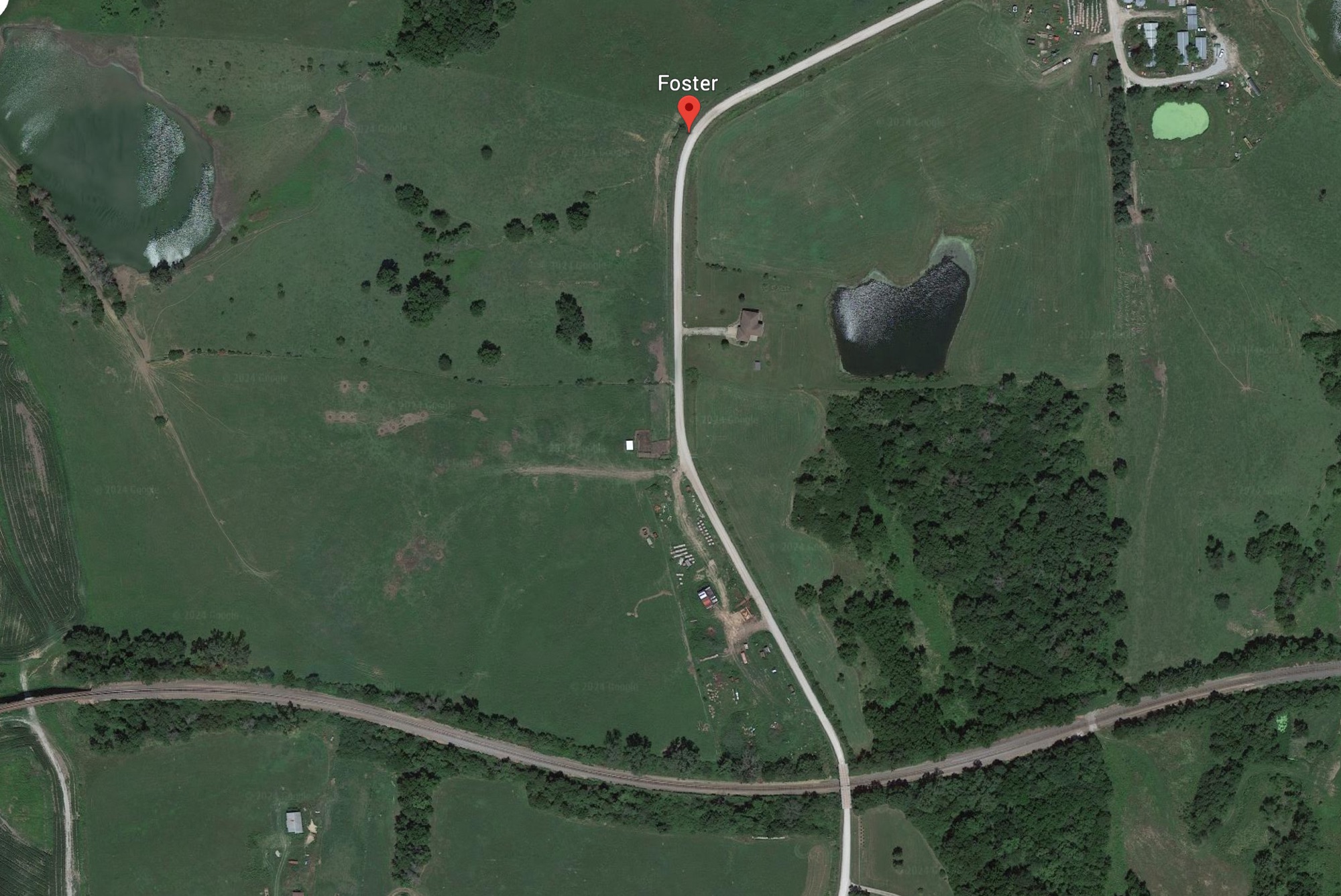
All that remains of Foster now is a bend on a slumbering highway and a number of pleasant but mysterious “ponds” that under scrutiny reveal themselves to be abandoned mines now flooded; reclaimed by a vengeful biblical metaphor. One might not guess at the previous life of this barren stretch of sweaty corn. The soul of young Rolla rests at the recesses of one of these placid mirrors now set as dressing behind and beside remote monied palisades.
I tell you that Foster is nothing now. It was only something while it was useful. While it fed the train; expansion. As soon as it could be bypassed it was. Anyone standing slapped dizzy by the shot capital fired across the bow on its way west.
When Foster was alive: 800 souls including Carrie Bell Miller. Her father ran one of the two eateries. Also in Foster: William Packwood II and whatever attendant family had come to help tend his “deer park”, just a mile south. Forty acres of wire fence containing almost 30 “wild” deer. Some kind of madman’s quest.
Like Foster, like Rolla, like the Packwood deer park, absolutely nothing remains.
Some years earlier surrounding 1899, Carrie had previously married and divorced a man named William Richards. Of broad erudition and jaw, he was born in Wales and came to America with his parents in 1886. He and Carrie Bell had one child, Lillian Richards.
Lillian was born on the 3rd of October 1899, just four months after her parent’s July 1st marriage suggesting consummation before nuptials. Carrie was 17 and William was just shy of twenty. Through the lens of time they class as young hearts overcome by emotion and without the attendant mental capacity of adulthood. It’s a shot gun wedding and things go about as well as we might guess.
Scant months later in the 1900 census, Carrie Bell and Lillian appear together living with the elder Miller family while Richards has fled to Illinois with his sister and her family, the Whimpeys. Whatever prompted his exit is lost; but he seems to have run off and fast.
William Richards and Carrie Bell officially divorce about a year and half later. Richards remarries in 1903 to a woman named Clark and remains a loyal husband and father until his death at age 71, or so we can imagine if we want to be kind.
Whatever occurred remained cloistered in his regrets and was buried with him. The records suggest young people unexpectedly directed toward marriage and then again legally separated only some months later. This seems to be a refrain or theme for these characters scratched from the aether of the corn fields for our amusement. Trauma and suffering. Wild clawing west toward Oz. An atomic explosion, a massive release of energy has spread its elements thin across all points eternal. No one got out alive.
In 1910 young Lillian is still with the Millers, suggesting she was raised by her grandparents and may have had very little contact with her parents. Richards, as we mentioned, had moved on with a different life.

Of peculiar note – in 1910 we find Carrie Bell living with her future husband Arthur Johnson on South 17th Street in Omaha almost 200 miles away from Foster. A den within a stones throw of the wanton chaos of the red light district and the eldritch control of notorious gangster Pickhandle. More unexpected – her address in 1910 is the exact same address given by Rex in the previous year, timed suspiciously against Rex’s decision to leave Omaha and establish himself 700 miles away in Cleveland. On paper she moves in when right when Rex moves out.
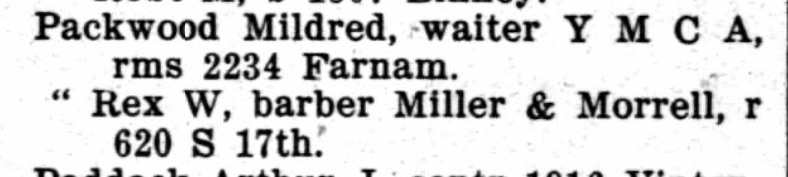
This would seem to be a remarkable coincidence, or highly suggestive of something far more unsavory. Surely they knew each other. Was she just taking over the space? Were they roommates? Lovers? What kind of racket was Rex even running?
620½ South 17th carries Rex’s curse: it has been utterly erased. There maybe some flavor of irony in that the general area has been supplanted by the Douglas County Department of Corrections. The Jail. Entire streets have been smote and created on top of this old haunt. It’s unrecognizable.
In 1910 this address is just north of the rail yard, just east of the factory district, and just south of the vice and rollicking wanton alleys of Pickhandle’s “Open Policy” Omaha. It’s a perfect address for what we know of Rex – comfortably between his vices: the red light district and the train. We have to wonder how Carrie Bell ended up in the same cesspool at the same address.
620½ was what appears to be a converted back yard shack. The Sanborn fire map of Omaha makes it out to be a 1 and a half story wooden structure about 20 x 20 – probably an old garage that had been converted into cheap additional dwelling as Omaha grew in population.

Rex lives at this address long enough to be captured by the 1909 census, in 1910 he reports addresses in Cleveland and elsewhere in Omaha, up on 1824 Douglas, a little closer to the action. His final bow as he quits Omaha.
Carrie Bell and her (future) husband Arthur take over the address for 1910 but do not stay in Omaha. By 1915 they are settled in Des Moines. It’s a short stay for Carrie Bell.
: : :
The same age as Rex and from overlapping haunts, Carrie Bell marries his father William in 1906. They divorce immediately. Four years later in 1910 Carrie Bell lives in Omaha at the exact address Rex listed the prior year while Rex removes himself to Cleveland and ventures unknown, never to return to Omaha.
Carrie Bell marries Arthur in 1912, despite being listed as married in the 1910 census. They have a son named Willie Seth who dies at age one. In 1923, Arthur dies by means indeterminable. Carrie Bell dies in 1967, inexplicably in the ruins of Foster.
El Paso

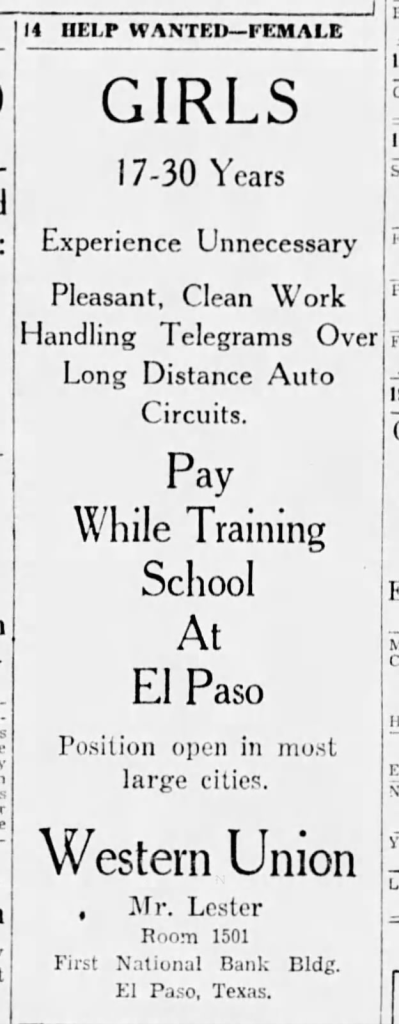
Jennie M. Southford never lived in El Paso, and the above entry in the 1943 city directory is either a fabulous typo, clever alias, or evidence of a secret tryst to the border.


Southford
Jack can’t pick a name.
Alvin, Albert, Henry, and John or Jack, his first name changes on every document. Seemingly a verified scoundrel but, perhaps he wasn’t even there to record his name and we can blame Lily for the blurred history. “Jack” is however routinely and consistently Southford, that part doesn’t drift.
The name is a mystery in of itself. It feels like it would be more common than it is. My mom comedically suggested that Jack was a time traveller, and indeed the name has the spirit of an out-of-place-artifact. It bubbles up to us and then falls again below our threshold of record and awareness. A dozen or so references in time and print – each of which turn out to be red herrings, typos, or quite often befuddling dead ends. The past is a bastard, surely, but the lost are doomed to some hell of the disremembered.
Rex means King, and a gambler would know this as the top card. Jack, however, is the opposite of a King. The bottom facecard. The everyman. No one. We have to ask ourselves if Jack was aware of the plot twist and does he snicker yet from the next realm. Was he an intelligent swindler or a criminal simpleton?
In all things we have to ask ourselves if Jack / Rex lived intentionally, or as an orphan of fate.
- 1. The South Ford
Starting from the obvious and working to the obscure; a Ford is a place along a river or waterway where it is traditionally crossed in the absense of a bridge or boat. Any where a river was crossed: small, large, seasonal, marshy – doesn’t matter – anyplace with a ford would have a opportunity for a south ford. Curiously Northford does not return the same preponderence of nonsense. Alas.
Jack we might imagine borrowed the name from a favored river crossing, but general searches in his stomping grounds produce no easily spotted south fords.
If we step back and let time twist, we might see a spirited joke about his movement South, crossing into a new world or life. Maybe he went there to seek salvation from whatever harried him.
Trying to read the mind of a man dead for 100 years is a fools errand; we are meant to guess at a large number of meanings. Somewhere in here, perhaps, the truth.
2. Southford, England.
Jack London was an alias. Southford is a little burg south of London, rarely in the papers but mentioned occasionally enough even in Iowa that one could catch wind of the name and were one a reader one might even think there is a cleverness to aping London with its backwater. He would more easily have picked Jack Delaware or Jack Detroit; but he went with Southford. It feels erudite. Old world. Raised. Landed.
3. Southford, Connecticut.
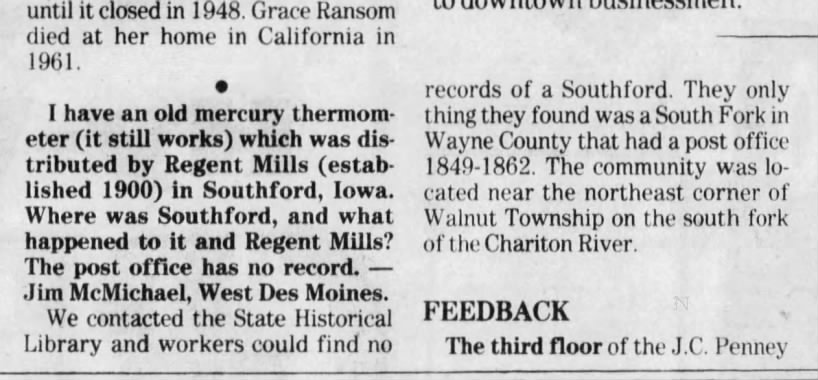
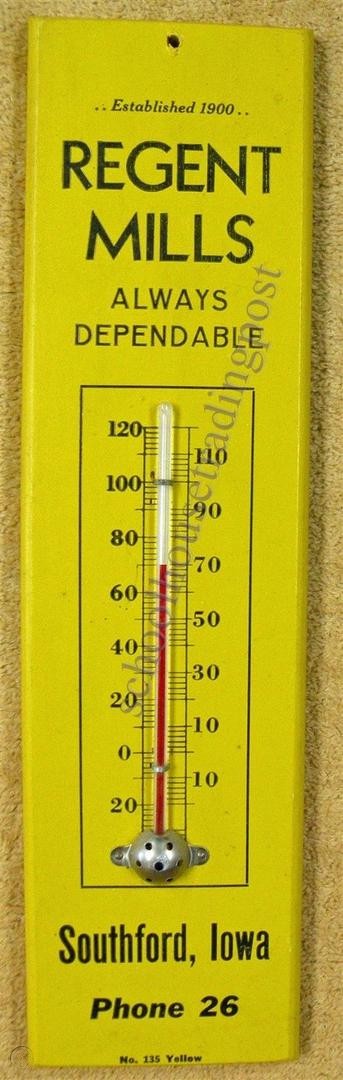
4. Southford, Iowa
4. James Southford
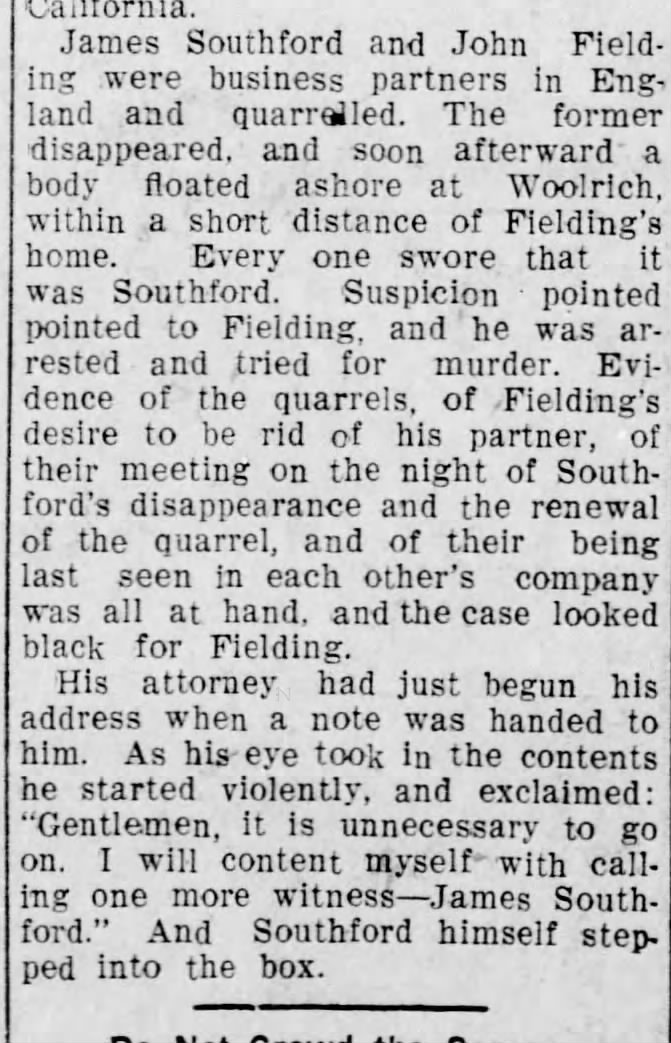
The following anecdote seems to have come “off the wire” as it appears half a dozen times in different papers in different states in both 1906 and 1907. The story is not attestable outside of this clipping is most likely a fabrication of some kind.
4. Roy Southford
5. Belknap Southford
6. Typos
Southfork and Salford
 Jack Southford